Travertine stone has risen in popularity over the last 2 years. It is one of the stone types that we most regularly work with too. So, we’re well placed to give you the low down on what you need to know about your travertine in 10 years’ time, but now!
Travertine goes with everything
Although you can find red, brown and pink travertine, more commonly it is known for being beige. However, beige doesn’t do justice to the variety available. The tones of travertine stone range from tan to ivory and everything in between. This makes it a great choice for flooring as it provides a neutral base to build the room around. Typically the stone shades are subtle and have a softness that emanates cashmere. It is this reason that travertine is often the stone of choice in the entrance to luxury hotels and spa facilities.
Travertine goes your way
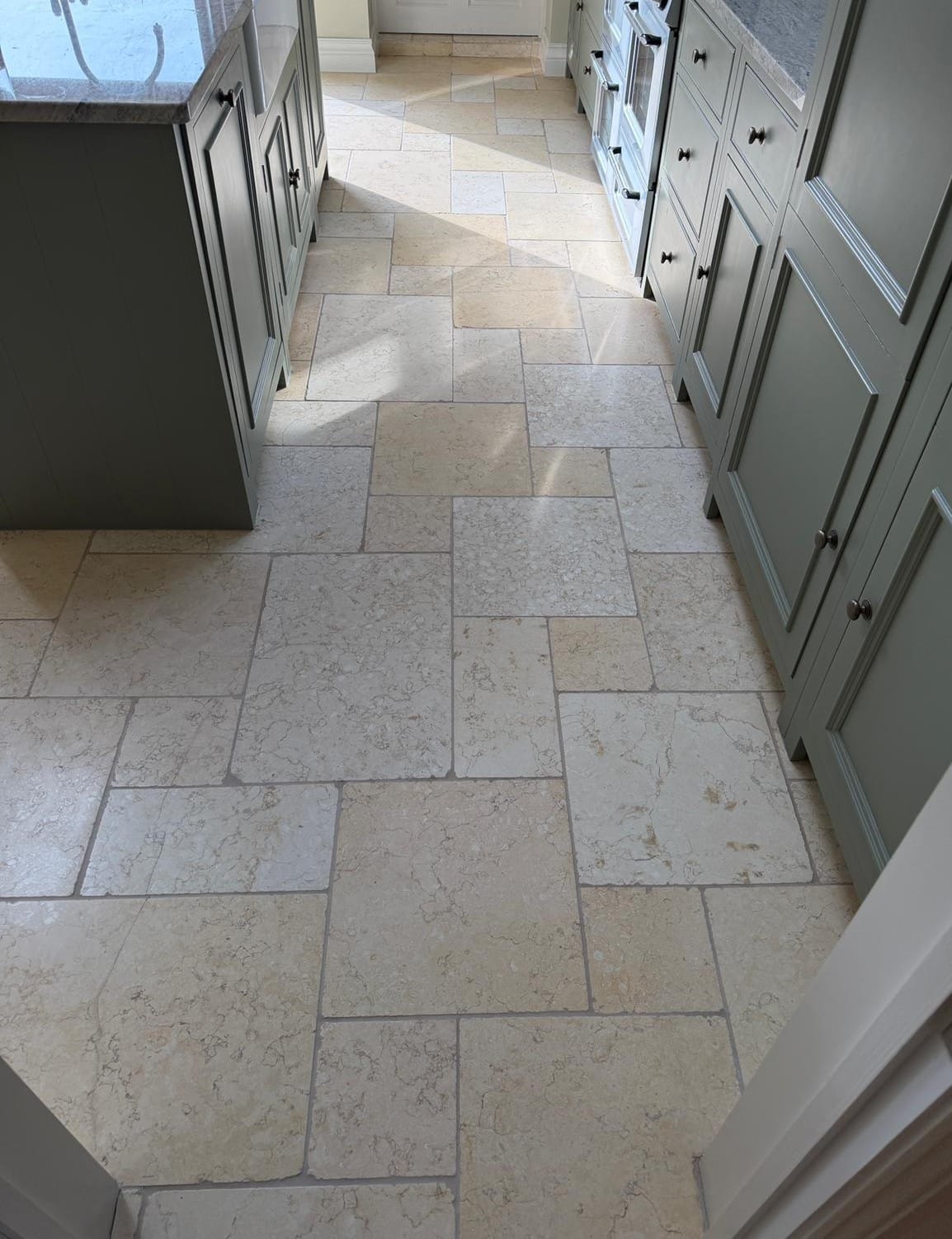
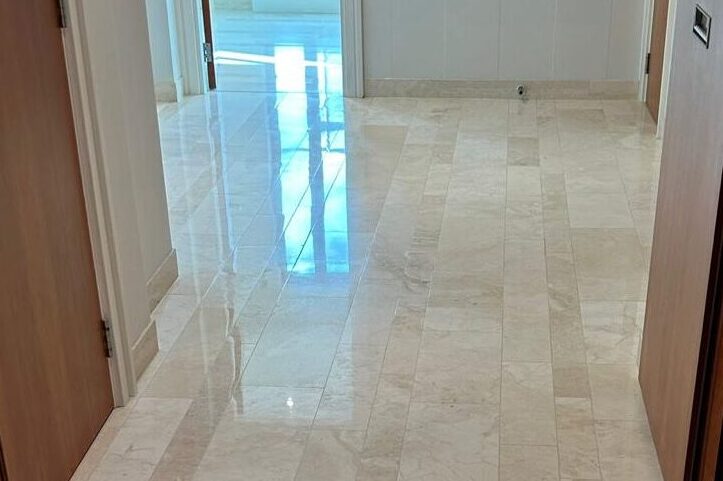
Another very special feature of travertine is how easy it is to make your own. Variety is found not only in the different shades, but the stone can also be finished in a number of ways. For example, certain types of travertine can take a polish and for this reason can sometimes be mistaken for marble. More commonly you will see travertine that has a pillowed or a tumbled edge. These two tile profiles are perfect for a countryside setting. Picture the kitchen of cottage in the Cotswolds and you’re there!
Travertine goes a long way
That is to say that travertine is durable. You only have to walk the streets of Verona or any Italian city to realise that you are treading travertine. Durability should never be confused with being indestructible. Travertine will last a long time, but that doesn’t mean that it will be perfect forever. Lots of people with travertine will choose to invest in a regular professional maintenance programme to keep it looking at its best. However, if you follow our tips, there is no reason why you can’t keep your travertine tip top without ever needing our help.
The pitfalls – literally
You don’t need a geology degree to spot that travertine is a naturally pitted stone. This is due to how it is formed in hot springs. This is one of the identifying characteristics of travertine stone and is also one of the things to be most aware of before you buy. Usually when you buy travertine, these pits are filled. Over time, this can come loose. The empty pits can easily become a trap for dirt and dust. Part of our usual travertine restoration service includes filling these pits, however there’s a few simple things that you can do to avoid the problem in the first place.
Our stone care secrets
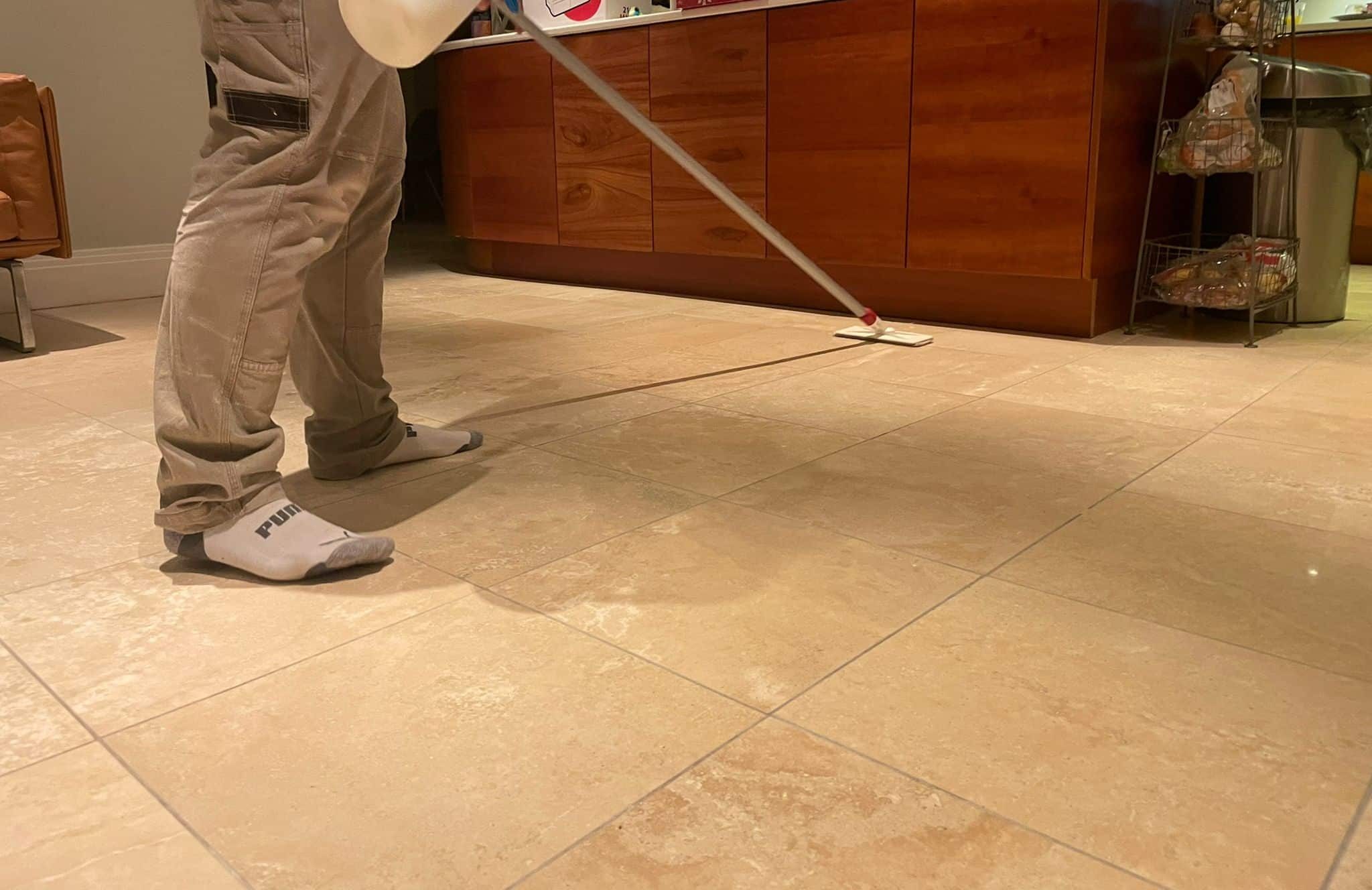
Just like with any natural stone, looking after your travertine is easy, as long as you know how. We always advise sweeping not vacuuming a stone floor in order to avoid scratching it unnecessarily. For the same reason, we recommend keep shoes off inside. It can be tempting to pick up a steam cleaner to get difficult marks off the tiles but in the case of travertine this can often do more damage. The heat and water combination will impact the filler as well as the stone itself. The more you disrupt the filler, the quicker it becomes loose. The more empty pits, the more dirt is trapped and the more difficult it becomes to keep your travertine clean. You can find a more in depth overview of our travertine stone cleaning guidance here.
If you are considering a travertine stone floor and want to see an example of just how durable and versatile the stone is, take a look at our recent case study. Or for help with your existing travertine drop us an email or fill out a Virtual Enquiry Form.