

Athena Stonecare
CARING FOR YOUR
NATURAL STONE FLOORS
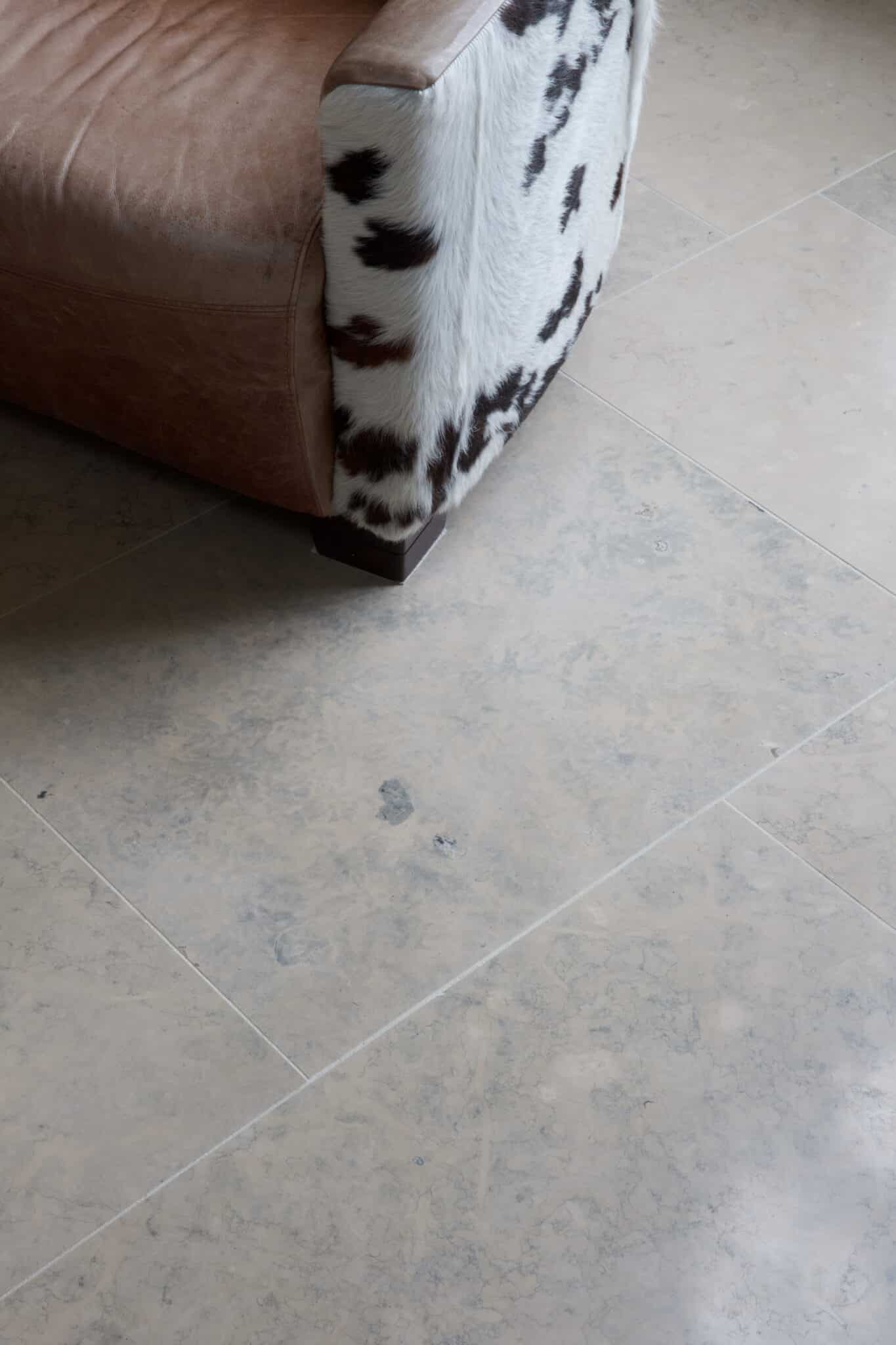
After completing a restoration, resurfacing or deep cleaning treatment your stone floor has been protected with an impregnator. This penetrates and binds to the stone capillaries of your stone to minimise absorption of water and oil-based liquids to help mitigate staining.
This type of sealant leaves the stone surface exposed so acidic liquids can still damage the surface.
to help you keep the surface of your stone in the best condition for as long as possible.
Good quality matting at each entrance to the property will pick up a lot of the dirt, sand, and small stones, which can scratch your floors.
Clean these mats regularly, especially the outdoor ones. When they become saturated in dirt they will cease to do their job.
Having a ‘shoes off policy’ in the house will also help to reduce the amount of abrasion to a stone surface from foot traffic.
Felt or silicone pads on the bottom of furniture and chair legs will help minimize the likelihood of scratch damage.
Frequent use of a soft, long-hair Swiffer will remove a lot of the small particulates which can scratch and dull your floor.
Apply the Swiffer to the floor and it will attract dirt, hair, dust, and loose debris. It is a lot quicker than vacuuming and much kinder to your stone.
It is important to keep your stone as dry as possible. Mopping too often, over-wetting with a mop, or use of a steam-cleaner can reduce the lifespan of the sealant and actually make the floor dirtier.
Invest in a good quality cotton Kentucky mop with a suitable bucket. Larger buckets are key to allowing any dirt from the mop to fall to the bottom of the solution and not get reapplied to the floor. Ladybug buckets with a good quality wringer are our recommendation.
Use of pH neutral cleaning detergent is vital. Many common household cleaners are acidic and will damage your stone. Acidic products react with the calcium carbonate in marble, limestone, and travertine, causing a chemical burn known as an etch mark.
Heavy-duty cleaning concentrates are often alkaline in makeup. They work very well to remove dirt; however, they will react with the sealant applied to protect your stone. This can make the floor more porous and susceptible to staining and dirt ingress.
Faber Floor Cleaner is our recommendation for a detergent that is pH neutral and very effective.
The ease of cleaning will depend not only on the living situation but also on the stone itself.
Natural tumbled travertine with its many naturally occurring holes, riven slate, flamed granite, and very porous, abrasive sandstones are all examples of floor materials that can be very difficult to keep clean. Mopping can prove difficult and ineffective. For these situations, we recommend investing in a domestic-sized scrubber drier machine.
There are many different sizes and designs of scrubber driers, but they are all designed to apply a cleaning solution, scrub the surface with a brush, and vacuum up the waste slurry into a separate tank.
For large areas, these machines will reduce labor time and increase the effectiveness of maintenance cleaning.
do we need the floor treating?
The frequency of professional maintenance visits will depend on the use of the room and the traffic that the floor is likely to experience. It will also depend on the initial restoration works carried out. For many of our clients, we will recommend a more comprehensive restoration service during our initial visit. This will mean that for subsequent visits, the floor is likely to only need a light restoration. We also aim to create a bespoke program for you whereby we can focus on the high-traffic areas with a more intense diamond restoration and provide a lighter polish in other areas.
Impregnors will last for a very long time; however, abrasion caused by foot traffic will create new capillaries, allowing moisture to penetrate into the stone.
We follow up with all of our clients around 1 year to 18 months after our initial visit, based on our professional opinion of when further work is likely to be necessary. We can also provide a price for maintenance immediately on request. However, we would still recommend re-visiting before commencing work to refamiliarise ourselves with your stone.
Please contact the team by calling 01494 438 294 or email info@athenastonecare.co.uk
For a full list of the recommended products visit www.athenastonecare.co.uk/maintenance